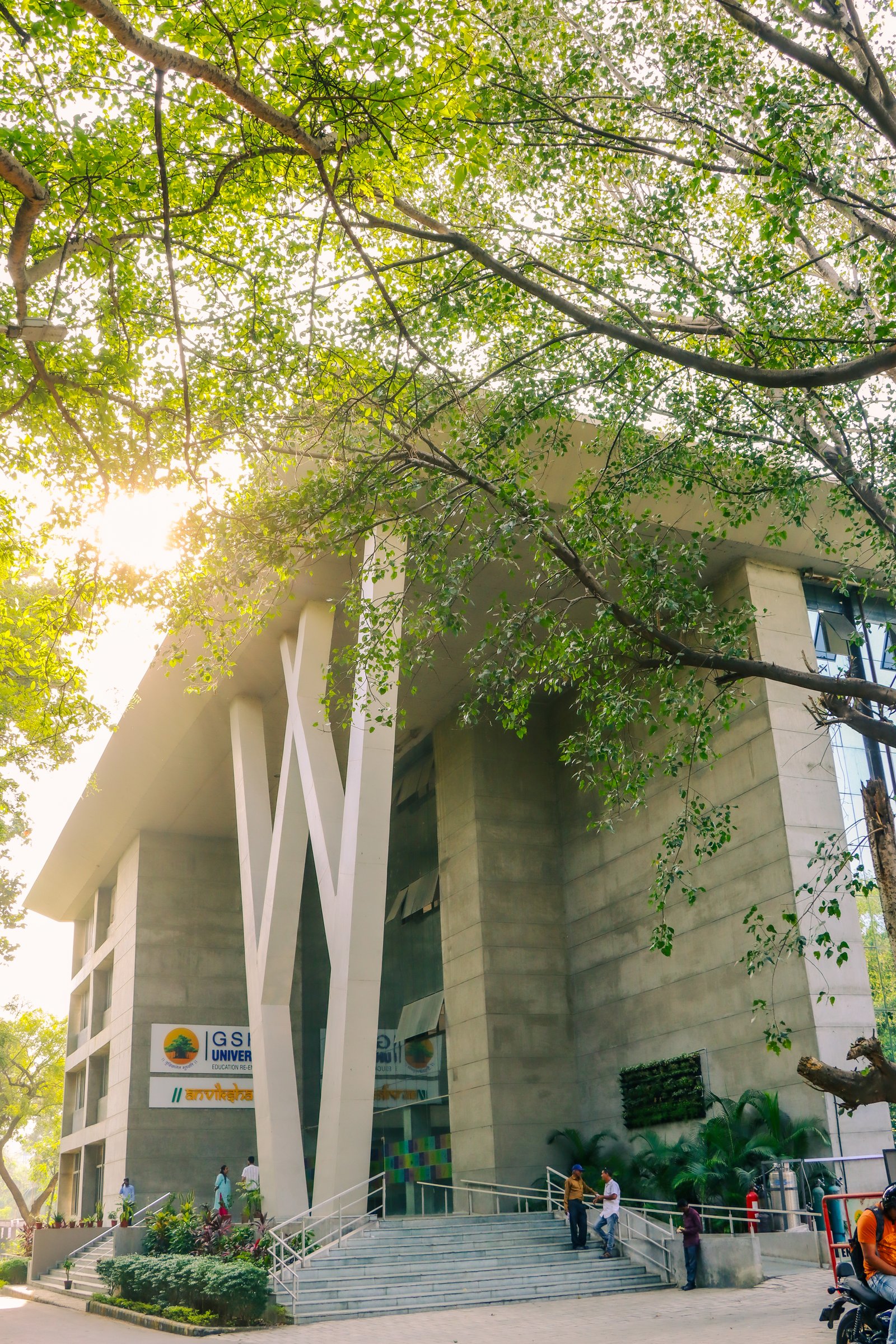
The Central Instrumentation Laboratory at GSFC University is equipped with cutting-edge analytical instruments to support advanced research and education in chemical sciences. Our facility provides researchers and students with access to sophisticated instrumentation for materials characterization, molecular analysis, and chemical synthesis.
Our mission is to foster innovation and discovery by providing access to Instrumentation Facility At School Of Science, expert training, and technical support to the university community and external partners.
Explore InstrumentsThe Department of Chemical Sciences at GSFC University offers innovative, industry-oriented programs that integrate strong theoretical knowledge with practical applications. Equipped with advanced instruments like HPLC, GC, AAS, FT-IR, AUTOLAB Potentiostat, UV-Vis, and Fluorescence Spectrometers, the department provides hands-on training and cutting-edge research opportunities. Through collaborations with leading industries, workshops, and outreach activities, it emphasizes sustainable chemical practices and prepares students for successful careers in academia, research, and industry
GSFC University's NABL accredited facility delivers comprehensive drinking water testing across 19 critical parameters.
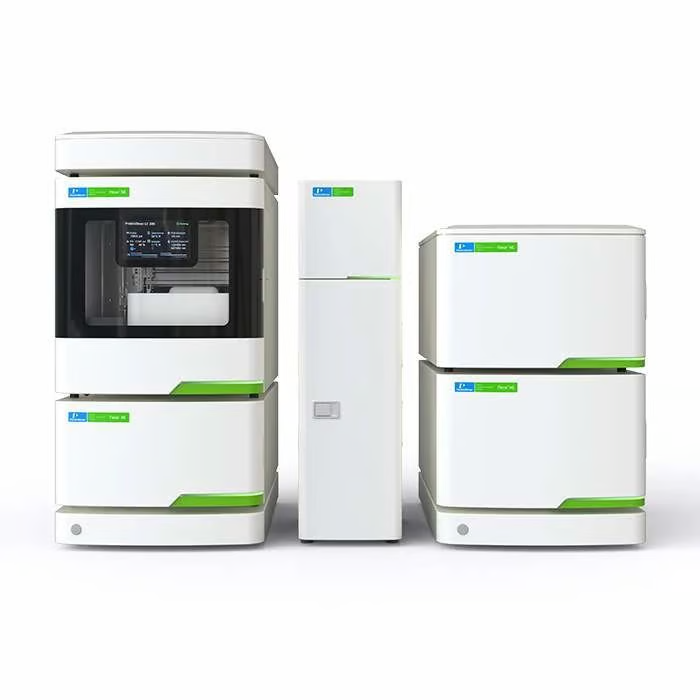
Advanced separation and analysis of complex mixtures with high resolution and sensitivity.
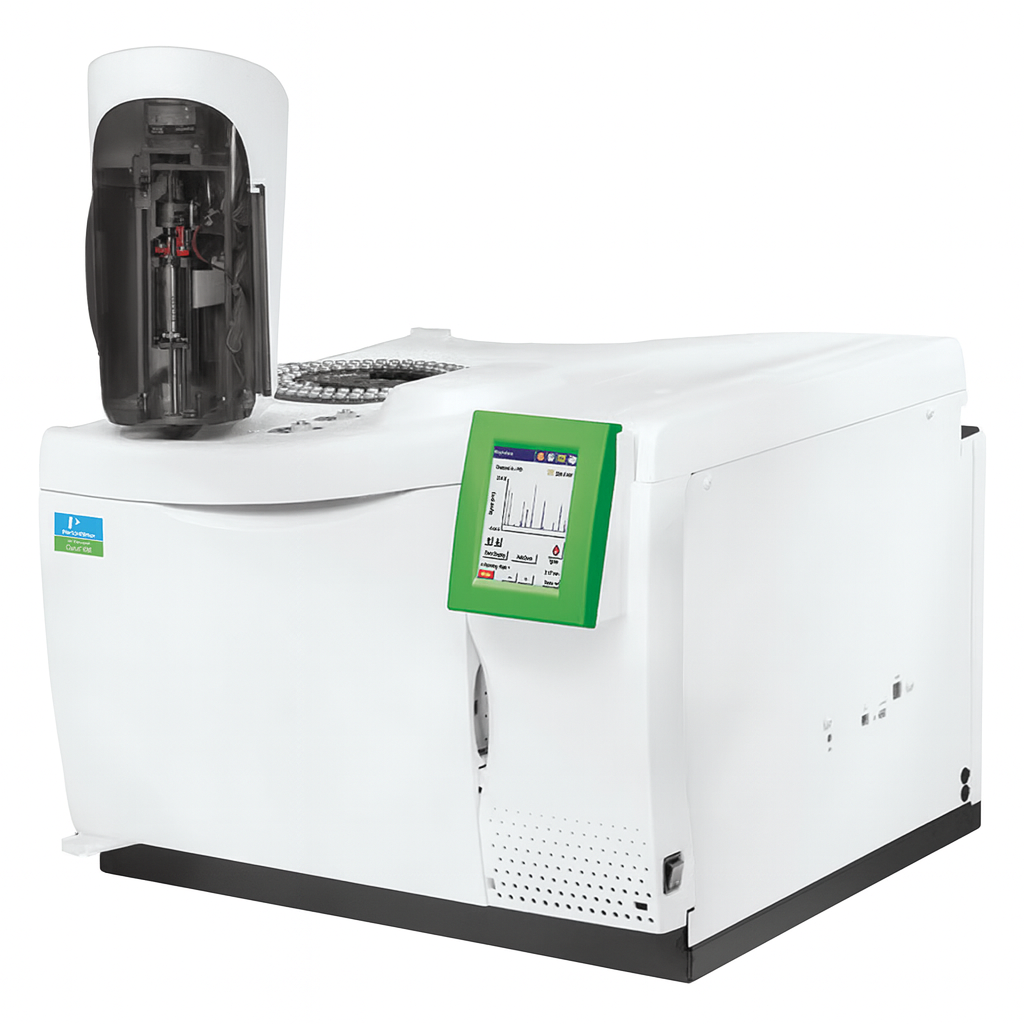
Precise analysis of volatile and semi-volatile compounds with excellent resolution.
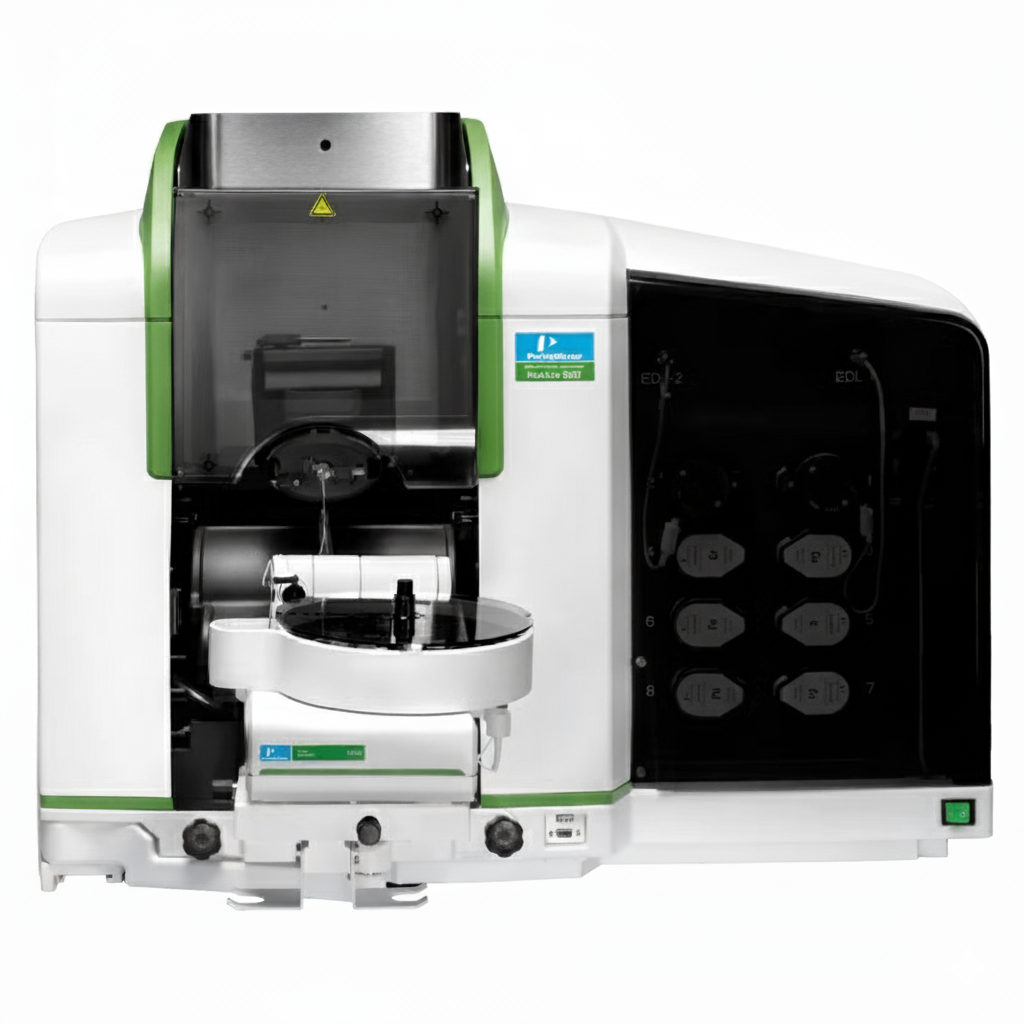
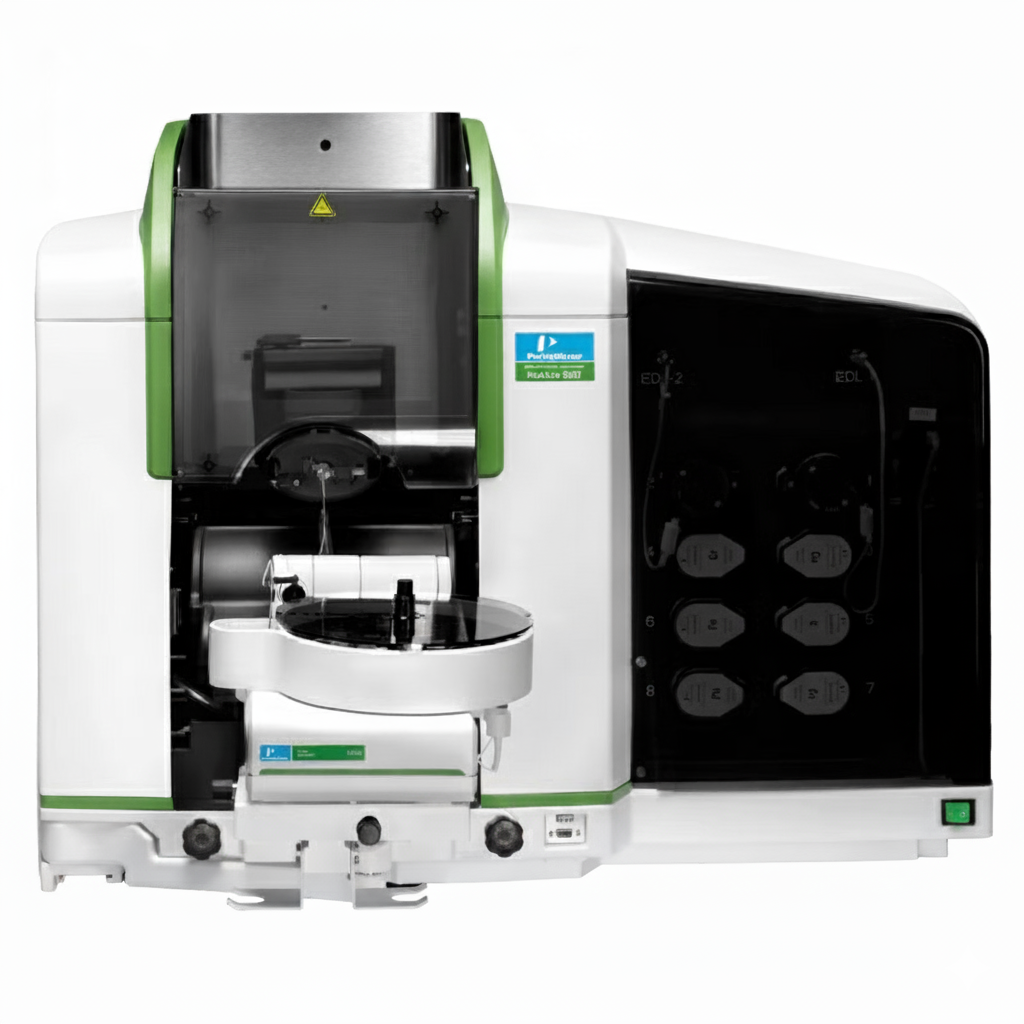
Accurate determination of metal elements at trace and ultra-trace levels.
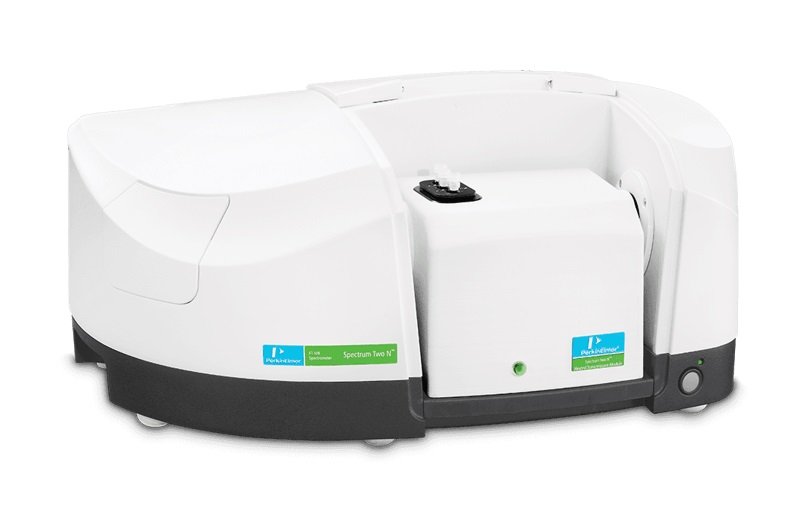
Identification and analysis of organic and inorganic compounds through their molecular vibrations.
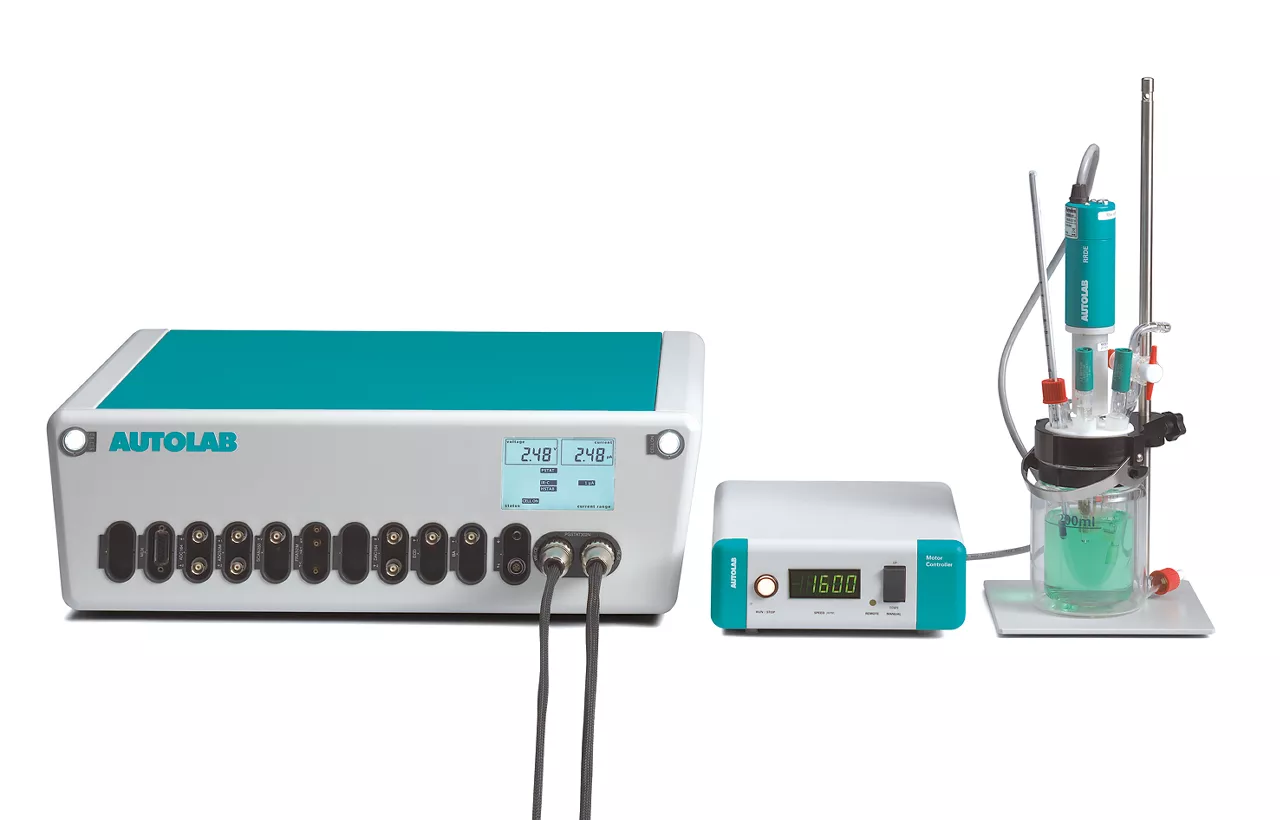
Advanced electrochemical analysis for corrosion studies, battery research, and sensor development.
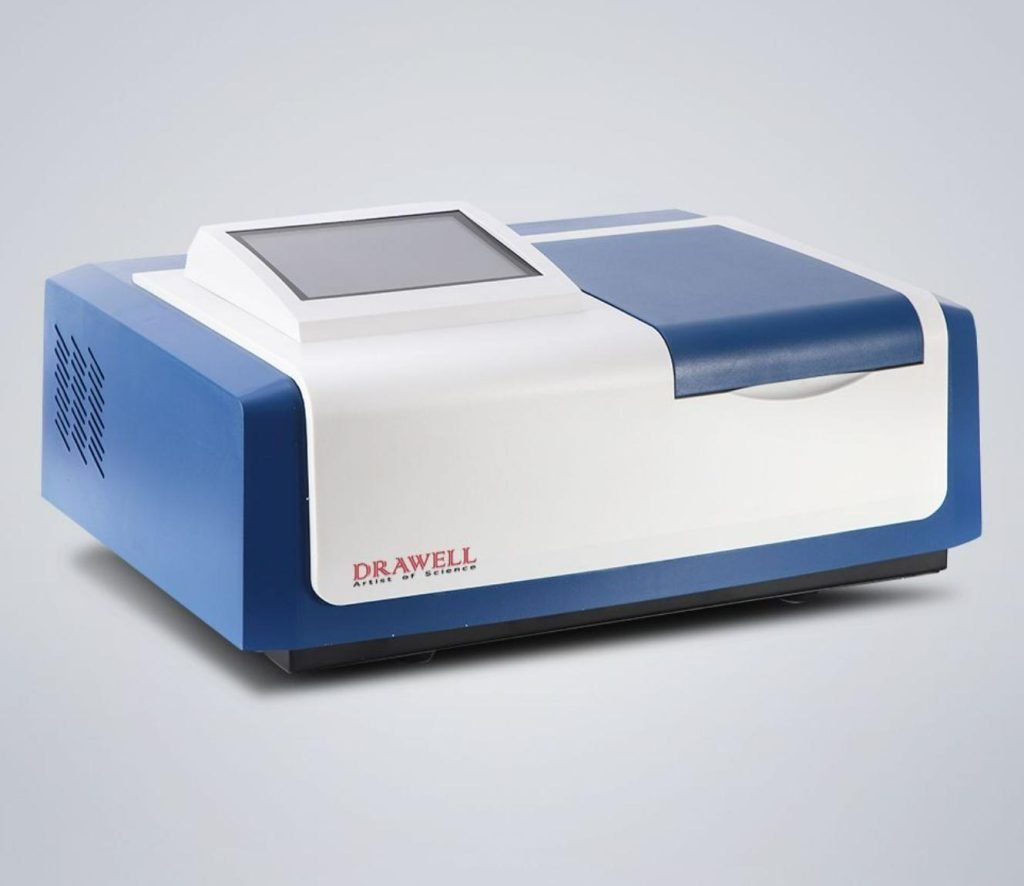
High-precision absorbance and transmittance measurements in the ultraviolet and visible regions.
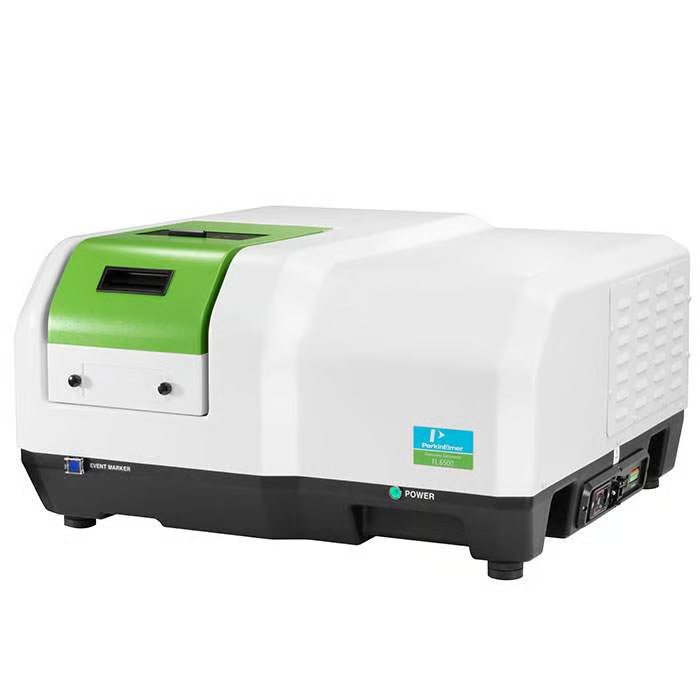
High-sensitivity fluorescence measurements for quantitative and qualitative analysis of fluorophores.
Our Life Science instrumentation facility is equipped with cutting-edge equipment to support biological research and analysis.
Advanced separation technique for analyzing, identifying, and quantifying components in complex mixtures.
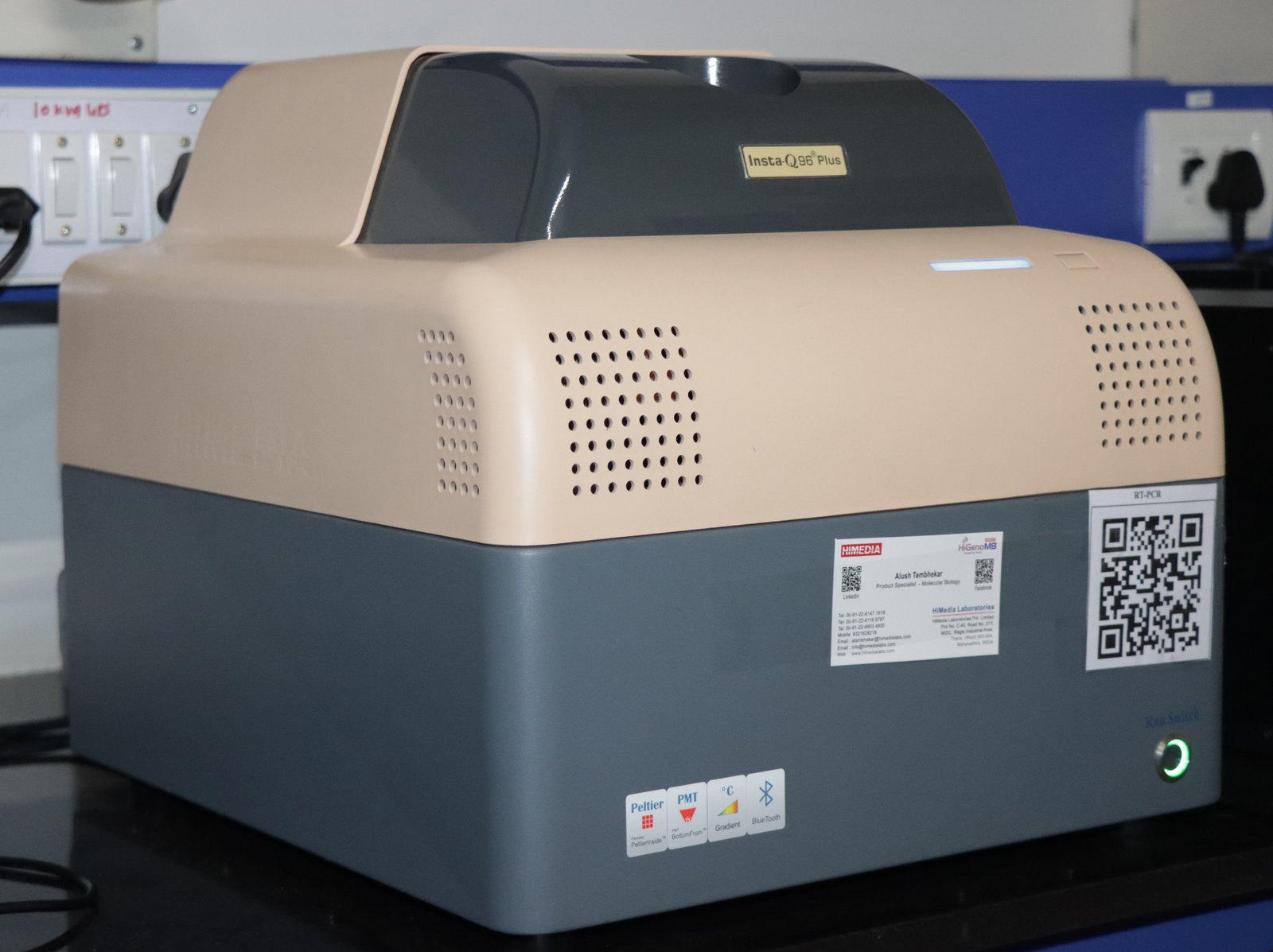
Accurate and sensitive detection and quantification of nucleic acids for gene expression analysis.
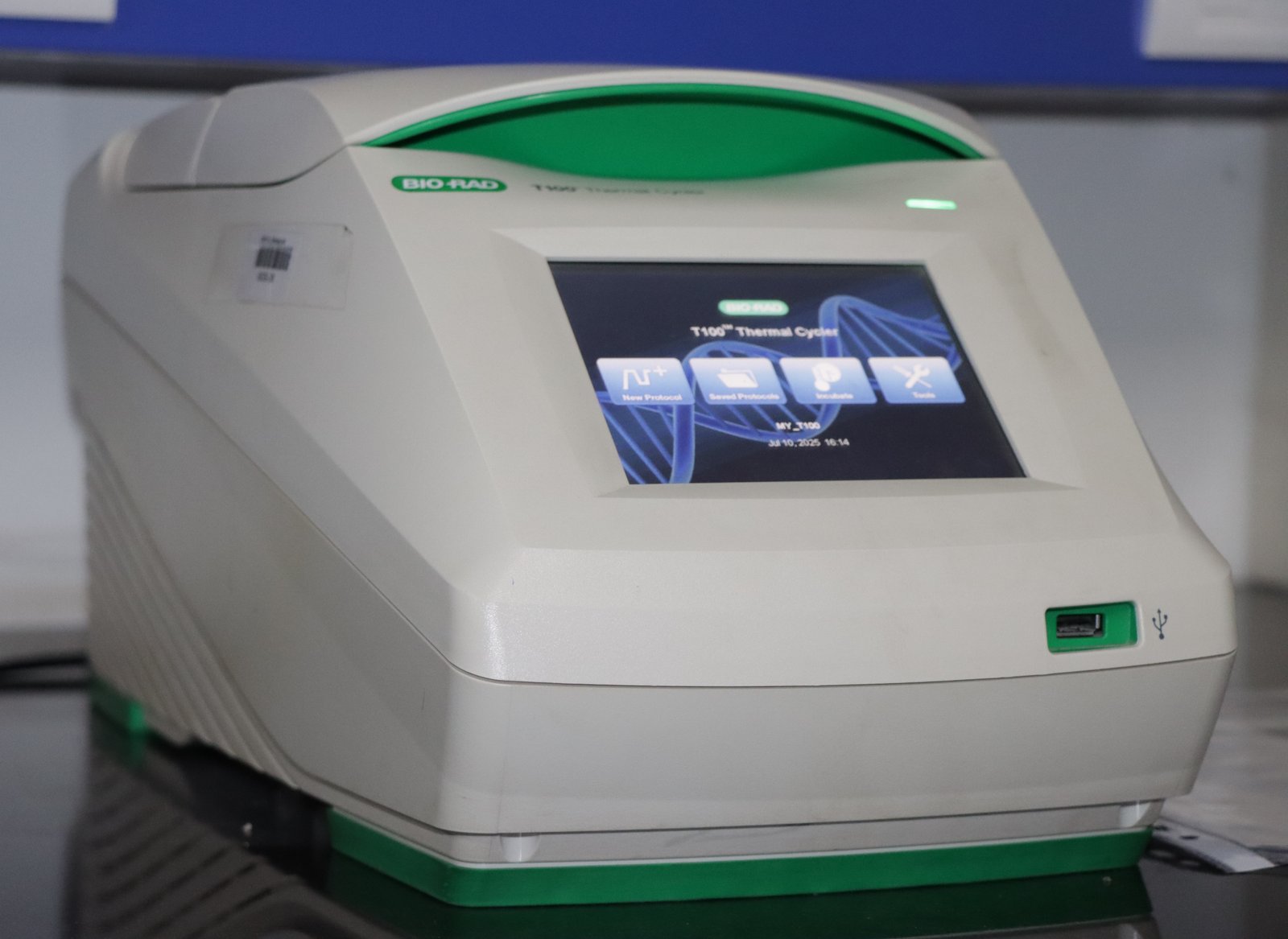
Precision instrument for amplifying DNA segments through polymerase chain reaction (PCR).
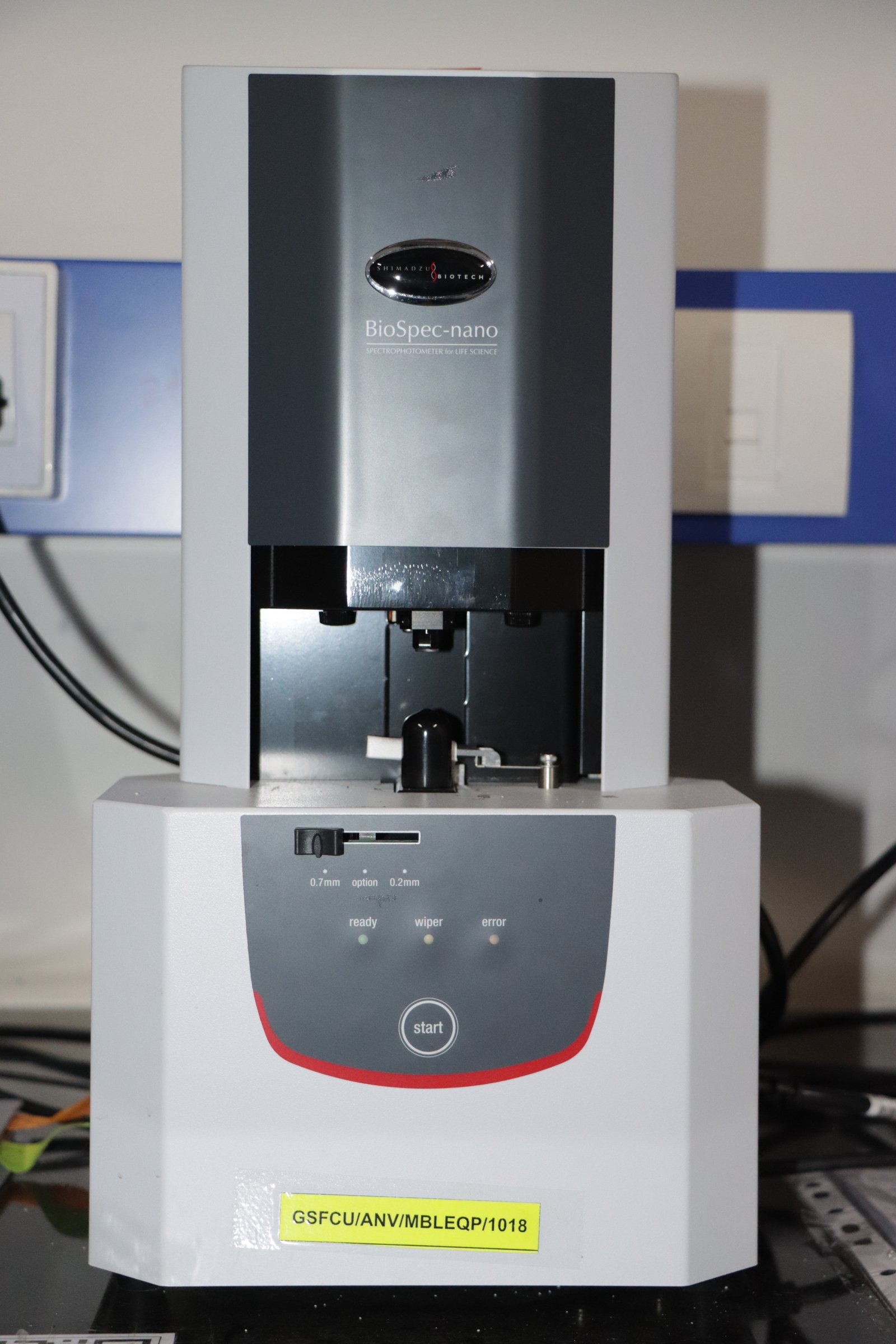
Full-spectrum UV-Vis measurements for nucleic acid, protein, and cell culture analysis.
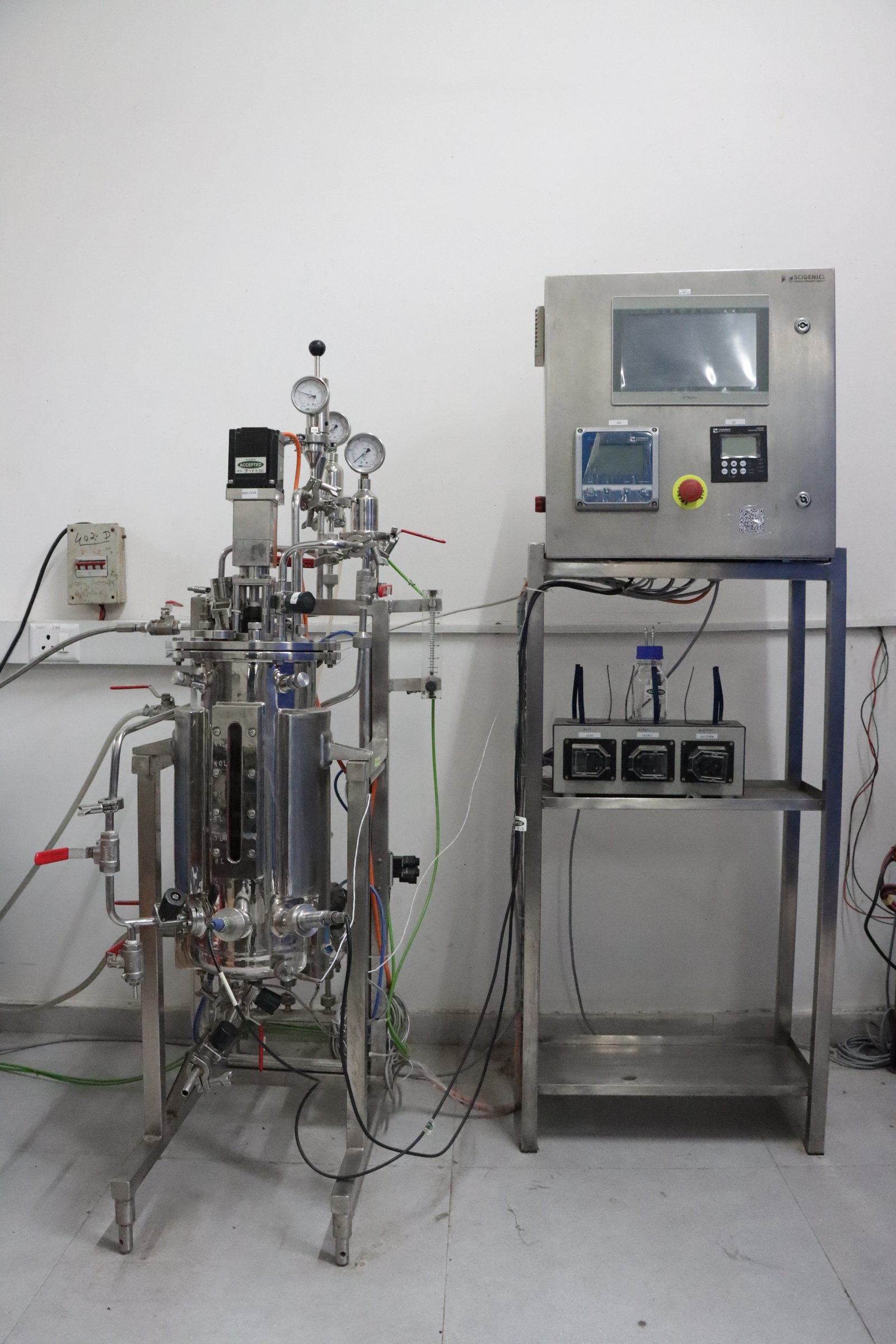
Controlled environment for cell culture and microbial fermentation processes.
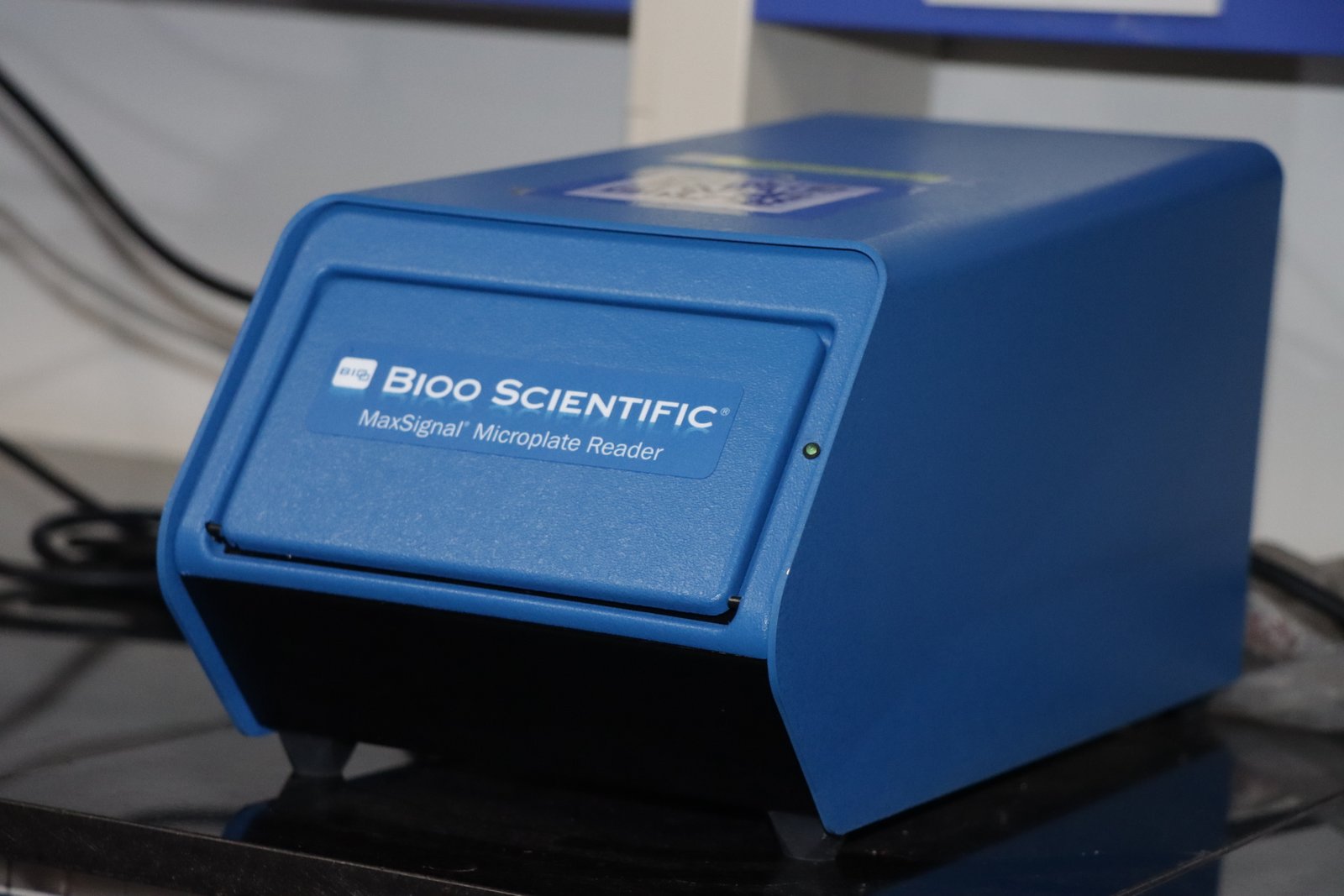
High-throughput detection for absorbance, fluorescence, and luminescence assays.
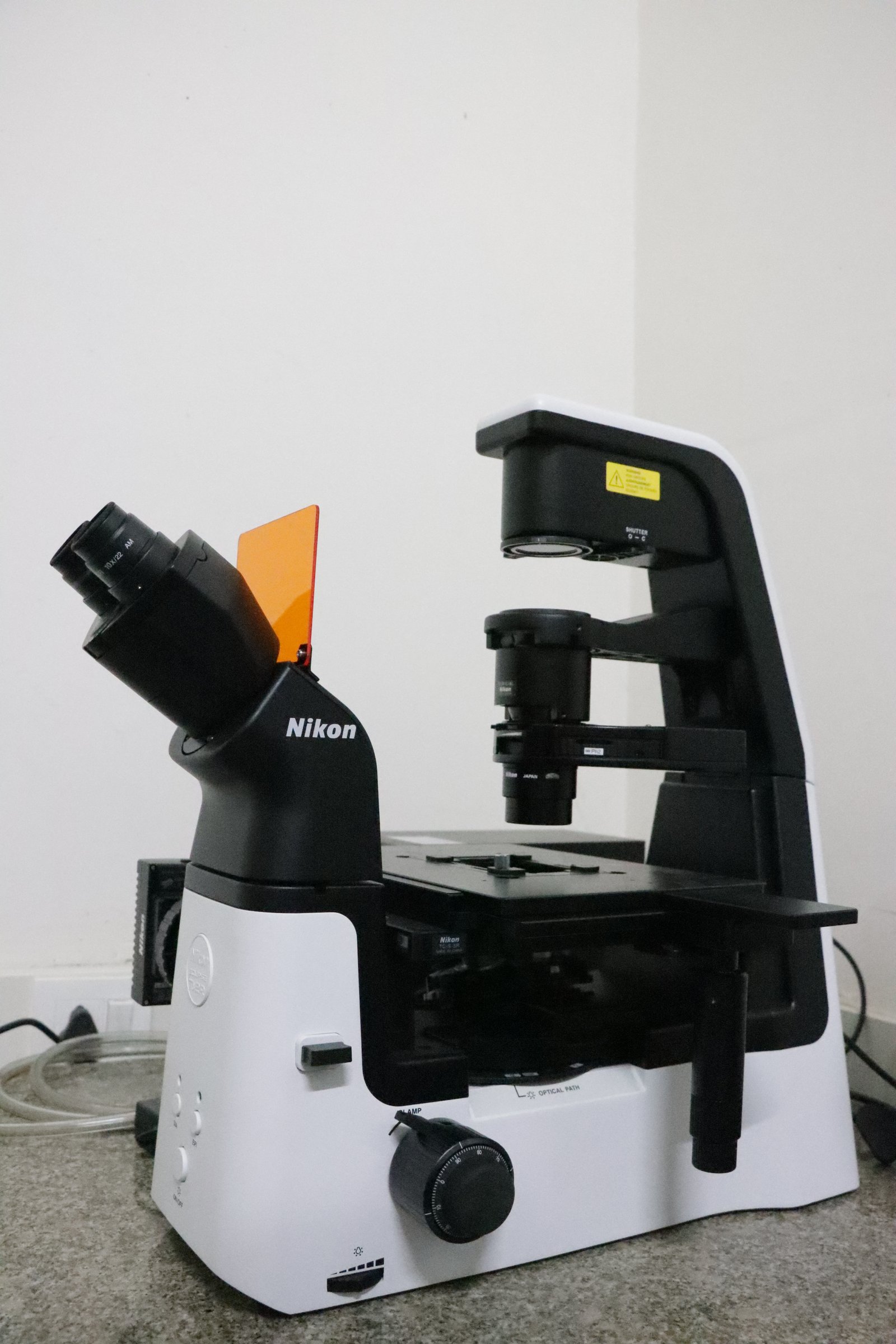
High-resolution imaging of live cells and tissues with fluorescence capabilities.
Explore our state-of-the-art facilities and research environment through our photo gallery.
Interested in using our facilities or learning more about our services? Reach out to our team for more information.
We'd love to hear from you. Here's how you can reach us:
School of Science, GSFC University
Vigyan Bhavan, P.O. Fertilizernagar
Vadodara - 391750, Gujarat, India
+91-0265-3093740
The UV-Vis Spectrophotometer is a versatile analytical instrument used to measure the absorbance or transmittance of a sample as a function of wavelength in the ultraviolet and visible regions of the electromagnetic spectrum.
Dr. Mayank Sharma
Assistant Professor
Department of Chemistry, School of Science | GSFC University
The Fourier-Transform Infrared (FT-IR) Spectrometer is used to obtain an infrared spectrum of absorption or emission of a solid, liquid, or gas. It can be used to identify unknown materials, examine the quality of a sample, or study the progress of chemical reactions.
Parin Kanaiya
Senior Assistant Professor
Department of Chemistry, School of Science | GSFC University
The Fluorescence Spectrometer is designed for high-sensitivity fluorescence measurements across a wide range of applications. It offers exceptional sensitivity and flexibility for both steady-state and time-resolved fluorescence measurements.
Dr. Mayank Sharma
Assistant Professor
Department of Chemistry, School of Science | GSFC University
High-Performance Liquid Chromatography (HPLC) is a technique used to separate, identify, and quantify each component in a mixture. Our system is equipped with multiple detectors for comprehensive analysis.
Note: Cost may vary depending on the nature and complexity of the sample.
Khushbu Verma
Assistant Professor
Department of Chemistry, School of Science | GSFC University
The Drinking Water Analysis Laboratory at GSFC University received NABL accreditation on 27 November 2024. The lab ensures reliable analysis for municipal bodies, industries, and communities by covering 19 critical drinking water parameters in alignment with national standards.
The accreditation covers the following parameters:
| Description | Parameter Coverage | Unit | Rate per Sample (₹) | Total Charges (₹) |
|---|---|---|---|---|
| Drinking Water Analysis | pH, Total Hardness as CaCO3, Chlorides (as Cl), Calcium (as Ca), Magnesium (as Mg), Turbidity, Total Alkalinity as CaCO3, Conductivity, TDS, Colour, Odour | Per Sample | 650 | 650 + 18% GST |
Total composite charges: ₹650 + 18% GST (covers the above parameter set).
| Sr. No. | Parameter | Reference Test Method | Charges (₹) |
|---|---|---|---|
| 1 | pH @ 27°C | IS 3025 (Part 11):2022 | 110 |
| 2 | Total Hardness as CaCO3 | IS 3025 (Part 21):2009 (Reaffirmed 2019) | 180 |
| 3 | Total Dissolved Solids (TDS) | IS 3025 (Part 16):2023 | 180 |
| 4 | Chlorides (as Cl) | IS 3025 (Part 32):1988 (Reaffirmed 2019) | 180 |
| 5 | Calcium (as Ca) | IS 3025 (Part 40):1991 (Reaffirmed 2019) | 180 |
| 6 | Magnesium (as Mg) | IS 3025 (Part 46):2023 | 180 |
| 7 | Turbidity | IS 3025 (Part 10):2023 | 110 |
| 8 | Total Alkalinity as CaCO3 | IS 3025 (Part 23):2023 | 180 |
| 9 | Colour | IS 3025 (Part 04):2021 | 150 |
| 10 | Electrical Conductivity @ 25°C | IS 3025 (Part 14):2013 (Reaffirmed 2019) | 175 |
| 11 | Odour | IS 3025 (Part 05):2018 | 110 |
| 12 | Iron (Fe) | IS 3025 (Part 53):2003 (Reaffirmed 2019) | 530 |
| 13 | Total Chromium (Cr) | IS 3025 (Part 52):2003 (Reaffirmed 2019) | 350 |
| 14 | Copper (Cu) | IS 3025 (Part 42) (Reaffirmed 2019) | 530 |
| 15 | Nickel (Ni) | IS 3025 (Part 54) (Reaffirmed 2019) | 530 |
| 16 | Zinc (Zn) | IS 3025 (Part 49):1994 (Reaffirmed 2019) | 530 |
| 17 | Cadmium (Cd) | IS 3025 (Part 41):2023 | 530 |
| 18 | Manganese (Mn) | IS 3025 (Part 59):2006 (Reaffirmed 2022) | 530 |
| 19 | Lead (Pb) | IS 3025 (Part 47):1994 (Reaffirmed 2019) | 530 |
All rates are exclusive of 18% GST.
Dr. Arti Bhadouria
Assistant Professor
Department of Chemistry, School of Science | GSFC University
arti.bhadouria@gsfcuniversity.ac.in
High-Performance Liquid Chromatography (HPLC) is a powerful analytical technique used to separate, identify, and quantify components in a mixture. It is widely used in pharmaceutical, environmental, and chemical analysis.
Per sample for qualitative analysis:
Per sample for quantitative analysis:
Dr. Archana Deokar
Senior Assistant Professor
Department of Chemistry, School of Science | GSFC University
archana.deokar@gsfcuniversity.ac.in
Gas Chromatography (GC) is an analytical technique used to separate and analyze compounds that can be vaporized without decomposition.
Dr. Mayank Sharma
Senior Assistant Professor
Department of Chemistry, School of Science | GSFC University
mayank.sharma@gsfcuniversity.ac.in
Atomic Absorption Spectrophotometer (AAS) is used for the quantitative determination of chemical elements using the absorption of optical radiation by free atoms in the gaseous state.
Dr. Arti Bhadouria
Assistant Professor
Department of Chemistry, School of Science | GSFC University
arti.bhadouria@gsfcuniversity.ac.in
Fourier Transform Infrared (FT-IR) Spectrometer is used to obtain an infrared spectrum of absorption or emission of a solid, liquid or gas.
Dr. Trupti Gajaria
Assistant Professor
Department of Chemistry, School of Science | GSFC University
trupti.gajaria@gsfcuniversity.ac.in
AUTOLAB Potentiostat is used for electrochemical measurements including cyclic voltammetry, impedance spectroscopy, and other electrochemical techniques.
Dr. Trupti Gajaria
Assistant Professor
Department of Chemistry, School of Science | GSFC University
trupti.gajaria@gsfcuniversity.ac.in
UV-Vis Spectrophotometer is used to measure the absorbance of light in the ultraviolet and visible regions of the electromagnetic spectrum.
Dr. Trupti Gajaria
Assistant Professor
Department of Chemistry, School of Science | GSFC University
trupti.gajaria@gsfcuniversity.ac.in
Fluorescence Spectrometer is used to measure the fluorescence emitted by a sample when it is excited by light of a specific wavelength.
Dr. Trupti Gajaria
Assistant Professor
Department of Chemistry, School of Science | GSFC University
trupti.gajaria@gsfcuniversity.ac.in
High-Performance Liquid Chromatography (HPLC) is a powerful analytical technique used to separate, identify, and quantify components in a mixture. It is widely employed in various fields such as Biotechnology, Microbiology, Pharmaceuticals, Environmental testing, Food Safety and Biochemical research.
Note: Cost may vary depending on the nature and complexity of the sample and type of analysis reagent. Client can bring their own HPLC grade reagents for mobile phase preparation.
Khushbu Verma
Assistant Professor
Department of Chemistry, School of Science | GSFC University
Real-Time PCR system for quantitative analysis of gene expression and nucleic acid detection.
Note: Cost may vary depending on the nature and complexity of the sample and type of analysis.
Ms. Deepti Davla
Assistant Professor
Department of Life Sciences, School of Science | GSFC University
Precision thermal cycler for DNA amplification through polymerase chain reaction (PCR).
Note: Cost may vary depending on the nature and complexity of the sample and type of analysis.
Khushbu Verma
Assistant Professor
Department of Chemistry, School of Science | GSFC University
Full-spectrum UV-Vis measurements for nucleic acid, protein, and cell culture analysis.
Note: Cost may vary depending on the nature and complexity of the sample and type of analysis.
Khushbu Verma
Assistant Professor
Department of Chemistry, School of Science | GSFC University
Controlled environment for cell culture and microbial fermentation processes.
Note: Cost may vary depending on the nature and complexity of the sample and type of analysis.
Dr. Ankit Sudhir
Sr. Assistant Professor
Department of Life Sciences, School of Science | GSFC University
The Microplate Reader offers high-throughput detection for absorbance, fluorescence, and luminescence assays. It's an essential tool for drug discovery, bioassays, and life science research.
Note: Cost may vary depending on the nature and complexity of the sample and type of analysis.
Khushbu Verma
Assistant Professor
Department of Chemistry, School of Science | GSFC University
Inverted fluorescence microscope for high-resolution imaging of live cells and tissues.
Cell Culture Laboratory, Life Sciences Department
Dr. Akhilesh Prajapati
Sr. Assistant Professor
Department of Life Sciences, School of Science | GSFC University
Autolab potentiostat/Galvanostat is used for galvanostatic and potentiostatic measurements for electrochemical systems such as electrochemical cells, batteries, or fuel cells. It is also used for investigating mechanisms in electrodeposition, corrosion studies, diffusion of ions across membranes, study of semiconductor interfaces and biosensors.
Liquids/Solids
*For time dependent analysis, the cost may vary depending on the time of utilization.
Dr. Trupti Gajaria
Assistant Professor
Department of Chemistry, School of Science | GSFC University
trupti.gajaria@gsfcuniversity.ac.in